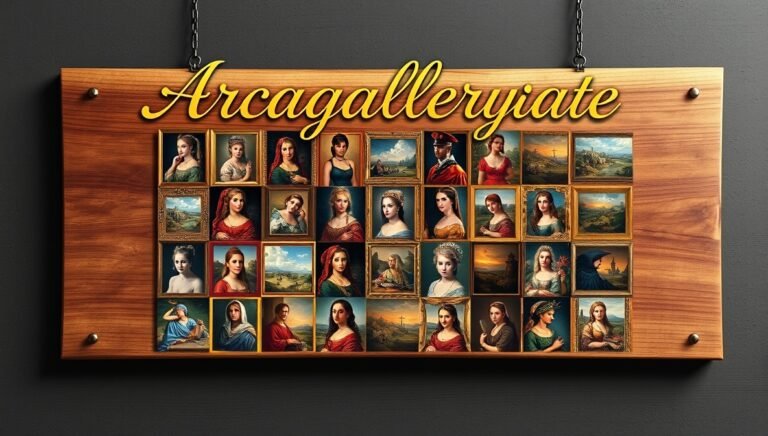
oil paintings exhibition arcagallerdate | Contemporary Art Showcase & Gallery Highlights
Contemporary art exhibitions have evolved into immersive cultural experiences that blend history, curation, and audience interaction in increasingly sophisticated ways. Museums and private galleries now emphasize narrative-driven displays, allowing visitors to engage more deeply with artistic expression rather than simply observing works on walls. Within this evolving landscape, the concept of oil paintings exhibition arcagallerdate emerges as a symbolic reference point for understanding how traditional oil painting showcases are being reimagined for modern audiences. uploadblog, nothing2hide, programgeeks, gfxpixelment, aliensync, lcfmodgeeks, durostech.
The renewed interest in oil paintings stems from their timeless appeal, rich textures, and emotional depth. Unlike digital or contemporary abstract mediums, oil paintings often carry a sense of permanence and classical value. Curators are now focusing on creating thematic exhibitions that highlight not only individual artworks but also the broader cultural and historical contexts in which they were created. mygreenbucks, meetshaxs, cloudysocial, designmode24 glossywise
In recent years, oil painting exhibition arcagallerdate has been referenced in discussions about curated gallery experiences that prioritize storytelling, spatial design, and emotional resonance. This reflects a shift away from static display methods toward more engaging, interpretive environments. cloudysocial, logicalshout, Immorpos35.3, feedworldtech, thestripesblog, mygreenbucks, designmode24, wtgtechgeek, uploadblog.
As audiences become more visually literate and culturally aware, exhibitions must adapt to meet rising expectations. The integration of lighting design, spatial flow, and educational materials has become essential in shaping how visitors perceive and interpret artwork. techoelite, Scookiegeek, lcfmodgeeks, gfxpixelment, pblemulator.
Historical Evolution of Oil Painting Exhibitions
Oil painting exhibitions have a long and rich history rooted in European art traditions, where galleries served as elite spaces for showcasing commissioned works. Over time, these exhibitions expanded globally, becoming accessible to broader audiences and reflecting diverse artistic movements.
During the Renaissance period, oil paintings were primarily displayed in churches, palaces, and private collections. As public museums emerged, these works transitioned into curated spaces designed for education and cultural preservation. This evolution marked a significant shift in how art was consumed and appreciated. zillexit, endbugflow, aliensync, riproar, dowsstrike2045, nothing2hide, disbusinessfied, stripes, lcfmodgeeks, gmrrmulator
In modern discussions, oil paintings exhibition arcagallerdate is often associated with the transformation of these historical practices into contemporary curatorial strategies. It reflects how traditional formats are being reinterpreted to align with modern expectations of accessibility and engagement.
Today’s exhibitions often blend chronological storytelling with thematic grouping, allowing visitors to understand artistic progression across different eras. This method enhances appreciation and provides deeper insight into artistic intent and historical context. oil paintings exhibitions arcagallerdate
Curatorial Strategies and Artistic Selection
Curators play a vital role in shaping the narrative of any exhibition. Their decisions influence how artworks are grouped, interpreted, and experienced by audiences. Selecting oil paintings for display involves careful consideration of theme, style, historical relevance, and emotional impact.
Modern curatorial practices emphasize storytelling as a central element of exhibition design. Rather than simply displaying artworks, curators create immersive journeys that guide visitors through interconnected narratives.
Within this framework, oil paintings exhibition arcagallerdate represents a conceptual approach to curatorial design that prioritizes cohesion and thematic depth. It highlights how curated selections can transform individual artworks into part of a larger artistic dialogue.
Curators also consider spatial dynamics, ensuring that each painting is positioned to maximize visual impact and viewer engagement. Lighting, spacing, and wall color all contribute to the overall experience.
Exhibition Design and Spatial Experience
Exhibition design is a crucial aspect of how art is experienced. The physical layout of a gallery influences how visitors move through space and interact with artworks. Designers must balance aesthetics with functionality to create an engaging environment.
Oil paintings require specific lighting conditions to enhance their textures and color depth. Proper illumination can reveal subtle brushwork and layering techniques that might otherwise go unnoticed.
In many modern galleries, oil paintings exhibition arcagallerdate is used as a reference point for designing immersive spatial experiences that prioritize viewer engagement. This includes the strategic placement of artworks to create visual flow and narrative continuity.
Architectural elements such as room size, ceiling height, and pathway design also contribute to how exhibitions are perceived. A well-designed space encourages slow movement and thoughtful observation.
Audience Engagement and Emotional Response
Audience engagement is at the heart of successful art exhibitions. Visitors are no longer passive observers; they actively interpret and emotionally respond to the artworks they encounter.
Oil paintings often evoke strong emotional reactions due to their depth, texture, and historical resonance. Curators aim to enhance this emotional connection by designing exhibitions that encourage reflection and dialogue.
In contemporary discourse, oil paintings exhibition arcagallerdate is associated with strategies that enhance emotional engagement through narrative structure and immersive presentation. It emphasizes the importance of connecting viewers with the stories behind the artworks.
Interactive elements such as guided tours, audio commentary, and educational panels further enhance visitor understanding and emotional involvement.
Digital Integration in Traditional Art Spaces
The integration of digital technology into art exhibitions has transformed how audiences interact with traditional mediums like oil painting. Digital tools are now used to provide additional context, enhance storytelling, and expand accessibility.
Virtual previews, augmented reality features, and interactive screens allow visitors to explore artworks in greater detail. These technologies complement physical exhibitions rather than replacing them.
Within this evolving landscape, oil paintings exhibition arcagallerdate reflects the blending of traditional curation with modern digital enhancements. It highlights how technology can enrich rather than overshadow classical art forms.
Digital integration also enables global audiences to experience exhibitions remotely, expanding cultural reach and engagement beyond physical gallery spaces.
Market Value and Collector Interest
The art market plays a significant role in shaping exhibition trends. Oil paintings remain highly valued among collectors due to their historical significance and artistic craftsmanship.
Collectors often view exhibitions as opportunities to discover emerging artists and evaluate investment potential. Galleries, in turn, curate exhibitions that appeal to both aesthetic appreciation and market demand.
In analytical discussions, oil paintings exhibition arcagallerdate is sometimes referenced when examining how curated exhibitions influence collector behavior and market trends. It reflects the relationship between artistic presentation and economic value.
Auction houses and private collectors closely monitor exhibition outcomes, as visibility in prestigious galleries can significantly impact artwork valuation.
Cultural Significance and Global Influence
Oil paintings carry deep cultural significance, reflecting historical events, societal values, and artistic movements across different regions. They serve as visual records of human expression and cultural identity.
Exhibitions dedicated to oil paintings often highlight cross-cultural influences, showcasing how artistic techniques and themes have evolved globally. This fosters greater appreciation for diversity in artistic expression.
Within this context, oil paintings exhibition arcagallerdate symbolizes the global exchange of artistic ideas through curated exhibition practices. It emphasizes how art transcends geographical boundaries.
Museums and galleries play a key role in preserving cultural heritage while making it accessible to contemporary audiences.
Challenges in Modern Exhibition Practices
Despite advancements in curatorial design and technology, modern exhibitions face several challenges. These include funding limitations, space constraints, and evolving audience expectations.
Maintaining the balance between traditional presentation methods and modern interactive features can be difficult. Overuse of technology may detract from the authenticity of the artwork.
In professional discussions, oil paintings exhibition arcagallerdate is sometimes used to describe the challenges of maintaining classical exhibition values while adapting to modern innovations. It highlights the tension between preservation and modernization.
Additionally, transportation and conservation of oil paintings require specialized care, as these artworks are often delicate and sensitive to environmental conditions.
Future Trends in Art Exhibitions
The future of art exhibitions is expected to be shaped by innovation, accessibility, and interdisciplinary collaboration. Curators are increasingly exploring hybrid models that combine physical and digital experiences.
Artificial intelligence, virtual reality, and immersive storytelling techniques are likely to play a larger role in exhibition design. These technologies will enhance personalization and audience interaction.
Within future-oriented discussions, oil paintings exhibition arcagallerdate is viewed as a conceptual framework for understanding how traditional art forms can evolve within modern exhibition ecosystems. It represents the integration of heritage and innovation.
Sustainability will also become a key consideration, influencing material choices, energy usage, and exhibition design strategies.
Conclusion
Art exhibitions continue to evolve as dynamic cultural spaces that reflect both historical traditions and modern innovations. Oil paintings remain a cornerstone of artistic heritage, offering timeless value and emotional depth that resonate across generations.
Throughout this discussion, oil paintings exhibition arcagallerdate has been used as a conceptual lens to explore how exhibitions are designed, experienced, and interpreted in contemporary contexts. It highlights the intersection of curation, technology, and audience engagement.
As the art world continues to adapt to changing cultural and technological landscapes, exhibitions will likely become even more immersive, interactive, and globally accessible. Ultimately, the enduring appeal of oil paintings ensures their continued relevance in both traditional and modern exhibition spaces.