Hidden Dangers Usefulideas Neglecting Oral Health: Risks, Prevention, and Lifelong Wellness
Maintaining oral health is more than just ensuring a bright smile or fresh breath. The consequences of neglecting oral care can ripple far beyond the mouth, impacting overall health, confidence, and quality of life. In today’s fast-paced world, many individuals underestimate the critical importance of consistent oral hygiene practices. Understanding the hidden dangers usefulideas neglecting oral health can be a turning point in promoting lifelong wellness.
When discussing oral health in the United States, statistics reveal a concerning trend: a significant portion of the population fails to follow recommended oral hygiene routines, often leading to preventable diseases. Brushing twice daily, flossing, and regular dental checkups are not merely suggestions—they are essential habits that can prevent severe complications later in life.
The Connection Between Oral Health and Overall Well-being
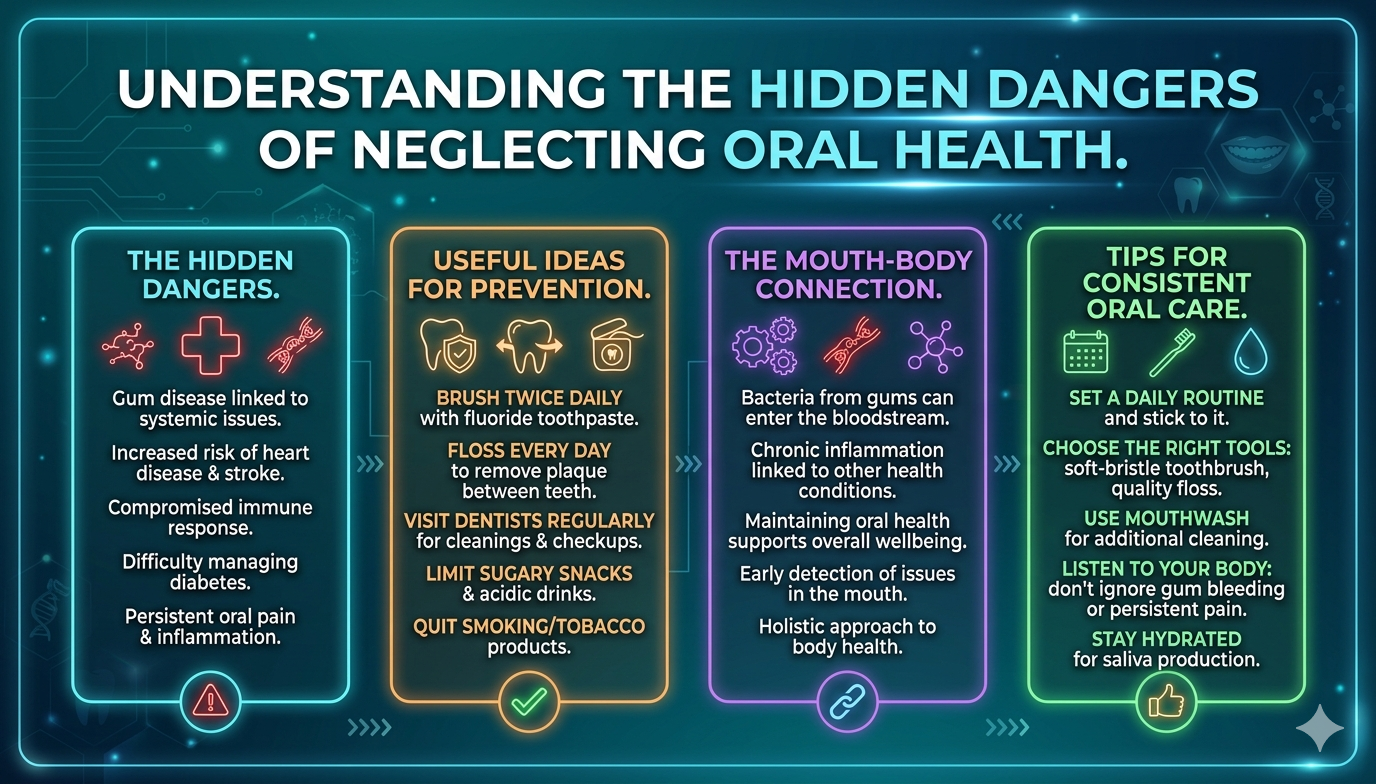
It is often surprising to many that oral health extends beyond the confines of the mouth. Poor oral hygiene has been linked to systemic conditions such as cardiovascular disease, diabetes, and respiratory infections. Plaque buildup in the gums can allow bacteria to enter the bloodstream, contributing to inflammation and the development of chronic illnesses. This underlines the importance of understanding the hidden dangers usefulideas neglecting oral health.
Recent research suggests that individuals with untreated gum disease are at a higher risk of heart attacks and strokes. This correlation emphasizes that oral health is not an isolated concern; it is intricately connected to overall well-being. For example, periodontal disease can exacerbate diabetes by making blood sugar levels harder to control, highlighting the bidirectional relationship between oral and systemic health.
Common Oral Health Issues Resulting from Neglect
Neglecting oral health can manifest in several ways, ranging from mild discomfort to life-threatening complications. Among the most common issues are cavities, gingivitis, and periodontitis. Cavities, caused by prolonged exposure to sugary foods and inadequate brushing, can progress into severe tooth decay if left untreated.
Gingivitis, the early stage of gum disease, presents symptoms such as redness, swelling, and bleeding gums. While reversible with proper care, it can escalate into periodontitis—a chronic condition that damages the supporting structures of the teeth and may eventually lead to tooth loss. Recognizing these problems early is crucial, and understanding the hidden dangers usefulideas neglecting oral health can encourage timely intervention.
Oral infections, such as abscesses, pose another serious risk. These painful, pus-filled pockets can spread infection to other parts of the body if not promptly treated. Regular dental visits play a pivotal role in identifying and addressing these concerns before they escalate into more severe health threats.
The Impact of Neglect on Mental Health and Social Life
Oral health is not only about physical well-being but also has profound psychological and social implications. Individuals with visible dental issues, such as decayed or missing teeth, often experience decreased self-esteem and social anxiety. These challenges can hinder professional opportunities, affect personal relationships, and contribute to mental health struggles.
The hidden dangers usefulideas neglecting oral health extend to social and emotional dimensions. Persistent bad breath or unsightly teeth can create feelings of embarrassment, discouraging individuals from engaging in social activities. Over time, this can contribute to isolation and diminished quality of life, highlighting why comprehensive oral care is essential.
Nutritional Consequences of Poor Oral Hygiene
Neglecting oral health can also affect one’s ability to maintain a balanced diet. Tooth pain, gum sensitivity, and missing teeth can make chewing difficult, limiting the intake of nutritious foods like fruits, vegetables, and proteins. As a result, individuals may rely on soft, processed foods that are less nutrient-dense, leading to deficiencies in essential vitamins and minerals.
For instance, inadequate calcium and vitamin D intake can exacerbate bone loss, while poor oral function can hinder the consumption of iron-rich foods, contributing to anemia. Recognizing the hidden dangers usefulideas neglecting oral health underscores the need for early intervention and sustained hygiene practices to prevent dietary compromises and maintain overall health.
Financial Implications of Ignoring Oral Care
Beyond health consequences, neglecting oral hygiene can also have significant financial repercussions. Routine dental checkups and preventive care are relatively affordable compared to the costs associated with treating advanced oral diseases. Procedures like root canals, periodontal therapy, and dental implants can be expensive, and in many cases, not covered entirely by insurance.
The hidden dangers usefulideas neglecting oral health highlight a critical point: investing in preventive care saves money in the long term. Individuals who overlook regular dental visits may find themselves facing unexpected and costly treatments, which could have been avoided through early detection and proper oral care routines.
Strategies to Prevent Oral Health Neglect
Addressing oral health neglect requires both awareness and consistent practice. Several strategies can help individuals maintain optimal oral hygiene and reduce the risk of complications:
- Regular Brushing and Flossing: Brushing teeth at least twice a day with fluoride toothpaste and flossing daily helps remove plaque and prevent cavities and gum disease.
- Routine Dental Checkups: Visiting a dentist at least twice a year allows for early detection of problems, professional cleaning, and tailored advice for individual needs.
- Balanced Diet: Limiting sugary foods and drinks while including nutrient-rich foods supports strong teeth and gums.
- Avoiding Tobacco and Excessive Alcohol: Both smoking and heavy alcohol consumption increase the risk of oral cancers and periodontal disease.
- Educating Children Early: Instilling proper oral hygiene habits in children sets the foundation for lifelong dental health.
By integrating these strategies into daily routines, individuals can effectively mitigate the hidden dangers usefulideas neglecting oral health and promote overall well-being.
The Role of Technology and Innovation in Oral Care
Advances in dental technology have made it easier than ever to maintain oral health. Electric toothbrushes, water flossers, and smart dental devices provide enhanced cleaning and monitoring capabilities. Mobile apps that remind users to brush or track oral hygiene habits are becoming increasingly popular, particularly among younger demographics.
Additionally, innovations in dental treatments, such as laser therapy for gum disease and minimally invasive restorative procedures, have improved outcomes and reduced discomfort. By leveraging these technologies, individuals can address potential issues proactively, minimizing the hidden usefulideas health.
The Link Between Oral Health and Chronic Diseases
Emerging research continues to reveal connections between poor oral hygiene and chronic diseases. For example, periodontal disease has been linked to increased risk of heart disease, diabetes, and even Alzheimer’s disease. Bacteria from infected gums can enter the bloodstream, triggering inflammatory responses that affect other parts of the body.
Pregnant women with untreated gum disease face higher risks of preterm birth and low birth weight in infants. By understanding these connections, healthcare professionals emphasize the importance of addressing the hidden dangers usefulideas neglecting oral health to prevent systemic complications.
Oral Health Awareness and Public Policy
Public health campaigns in the United States and worldwide have focused on raising awareness about the importance of oral care. Educational initiatives in schools, community programs, and mass media campaigns aim to equip individuals with knowledge and resources to maintain oral hygiene effectively.
Policies that improve access to affordable dental care, such as subsidized checkups or preventive programs, play a crucial role in reducing disparities. Communities that prioritize oral health education witness a measurable decrease in preventable oral diseases, demonstrating the impact of proactive measures in mitigating the hidden dangers usefulideas neglecting oral health.
Behavioral Factors Contributing to Neglect
Behavioral and lifestyle factors significantly influence oral health outcomes. Irregular brushing and flossing, excessive consumption of sugary foods, and neglecting regular dental visits all contribute to poor oral outcomes. Stress and sleep deprivation can also impact oral health, as they may weaken the immune system, making it harder for the body to combat infections, including those in the mouth.
Understanding these behavioral influences allows individuals to identify patterns that may increase their susceptibility to oral disease. By addressing these factors proactively, it is possible to reduce the hidden usefulideas health.
The Importance of Early Detection
Early detection is critical in preventing severe oral health issues. Dental professionals can identify early signs of cavities, gum disease, oral cancers, and other conditions long before they become symptomatic. Regular screenings not only prevent pain and discomfort but also safeguard overall health.
The hidden dangers usefulideas neglecting oral health often remain unnoticed until they escalate, which underscores the importance of proactive dental care. Utilizing diagnostic tools such as X-rays, digital scans, and professional examinations can significantly improve health outcomes.
Oral Health Across Lifespan
Oral health needs evolve throughout life. Children require guidance to establish habits that prevent decay and support proper jaw development. Adolescents may face challenges related to braces, wisdom teeth, and lifestyle changes. Adults must focus on preventive care and maintenance, while older adults may encounter age-related issues such as dry mouth, receding gums, and tooth loss.
By understanding these life-stage-specific concerns, individuals can tailor their oral care routines to mitigate the hidden dangers usefulideas neglecting oral health and maintain optimal functionality and aesthetics.
Community and Family Influence
Family and community play a significant role in shaping oral health habits. Children who observe proper oral hygiene practices at home are more likely to adopt lifelong healthy behaviors. Community programs that provide access to affordable dental care and education help reduce preventable diseases, particularly in underserved populations.
The hidden dangers usefulideas neglecting oral health are amplified in communities lacking awareness or resources. Collective efforts from families, schools, and healthcare providers can create an environment that fosters preventive care and reduces the prevalence of oral diseases.
Addressing Misconceptions About Oral Care
Misconceptions about oral health can contribute to neglect. Some individuals believe that brushing occasionally is sufficient or that dental visits are only necessary when pain occurs. Others assume that oral problems are inevitable with age. Correcting these misconceptions through education is critical in combating preventable oral diseases.
Recognizing the hidden dangers usefulideas neglecting oral health can shift perspectives and encourage individuals to prioritize consistent care, understanding that prevention is always more effective than treatment.
Integrating Oral Health Into Holistic Wellness
Modern healthcare increasingly emphasizes a holistic approach, where oral health is an integral component of overall well-being. Dental professionals collaborate with other healthcare providers to ensure comprehensive care, addressing both preventive and systemic health concerns.
Nutrition, mental health, and lifestyle factors are intertwined with oral health. By considering these connections, individuals can reduce the hidden dangers usefulideas neglecting oral health while promoting long-term wellness.
Conclusion
Neglecting oral health carries consequences that extend far beyond cavities and gum disease. From systemic health risks and financial burdens to social and psychological impacts, the hidden dangers usefulideas neglecting oral health are extensive and often underestimated.
Adopting consistent oral hygiene practices, leveraging technological advancements, participating in preventive care, and embracing holistic wellness strategies are critical in mitigating these risks. Awareness, education, and proactive action empower individuals to protect their health, confidence, and quality of life. Recognizing the significance of oral health and addressing it early ensures a future of overall well-being, highlighting that a healthy mouth is indeed a gateway to a healthier life.
By integrating the lessons learned from understanding the hidden health, communities, families, and individuals can work collectively to promote a culture of preventive care. Every brush, floss, and dental visit contributes to a legacy of health, reinforcing the idea that oral care is not merely a routine but a fundamental pillar of well-being.
Ultimately, the decision to prioritize oral health has profound implications—impacting everything from systemic health and mental well-being to social confidence and financial stability. The hidden dangers usefulideas neglecting oral health should not be ignored, and through education, proactive care, and lifestyle choices, it is possible to maintain a lifetime of dental and overall health.